On a time-of-use plan, the same kilowatt-hour can cost 9¢ at 2am and 28¢ at 6pm. That's not a billing error — it's the entire design. Time-of-use (TOU) pricing charges you based on when you use electricity, not just how much, and utilities across the US have been steadily moving customers onto these plans, often by default. California's major utilities made TOU standard for residential customers, and utilities in Arizona, Colorado, Michigan, Massachusetts, and Texas offer or default to similar structures.
That creates a genuinely new way to cut your bill: shifting usage instead of reducing it. Same laundry, same dishes, same EV miles — different hours, smaller bill.
What a TOU Day Actually Looks Like
Exact windows and prices vary by utility, but the shape is remarkably consistent. Here's a representative summer weekday structure:
12–6am
6–9am
9am–4pm
4–9pm
9pm–12
Why Utilities Price It This Way
The grid must be built for its single worst hour of the year. Late afternoons in summer, demand surges just as solar output declines — utilities fire up expensive "peaker" plants that may run only a few hundred hours a year, and that cost lands on everyone. TOU pricing tries to flatten the spike by making peak power expensive and off-peak power cheap, so that demand moves instead of generation.
Who Saves on TOU — and Who Pays More
✅ TOU usually wins if you…
- Own an EV (charge overnight — the single biggest TOU win)
- Have an electric water heater you can put on a timer
- Run a pool pump
- Are away from home most weekday afternoons/evenings
- Have solar + battery storage
- Can delay-start laundry and dishwasher
⚠️ Flat rate may be better if you…
- Are home and cooking dinner at 5–8pm every day
- Need heavy AC in the 4–9pm window with no pre-cooling option
- Work from home with high daytime + evening usage
- Have inflexible medical equipment loads
- Can't move any of your big appliances' schedules
Most utilities publish a rate comparison tool that runs your actual smart-meter history against every plan they offer, and many offer first-year bill protection when you switch — you pay the lower of the two plans while you learn your pattern. Use that before committing.
The Load-Shifting Playbook, Ranked by Impact
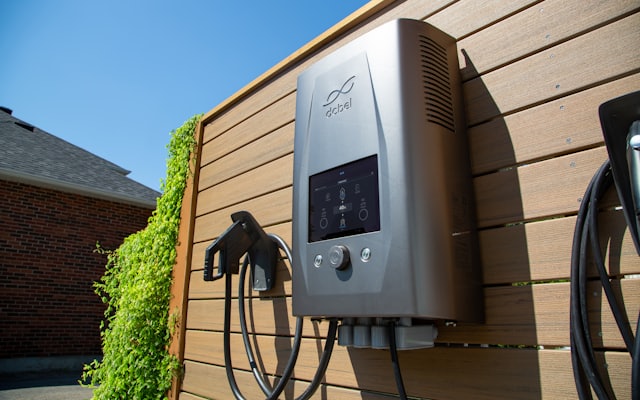
- EV charging → overnight (saves $20–$40/month). A daily-driven EV uses 250–400 kWh/month. Moving that from 19¢ peak-adjacent hours to a 9¢ overnight window is pure savings, set once in the car's charging schedule and forgotten.
- Pre-cool the house (saves $15–$40/month in summer). Run AC harder from 1–4pm at midday rates, then raise the setpoint 3–4°F through the peak. A reasonably insulated home coasts through most of the 4–9pm window on stored "coolth."
- Water heater on a timer (saves $10–$25/month). An electric tank heater is a battery that stores hot water. Heat it overnight and after the peak; a $40 timer or a smart heat pump water heater handles this automatically.
- Pool pump → overnight or midday (saves $10–$30/month). Pool pumps run 4–8 hours daily and don't care when.
- Laundry & dishwasher → after 9pm (saves $5–$15/month). Delay-start buttons exist for exactly this. The electric dryer is the heavy hitter here.
TOU + Solar: The Battery Question
TOU rates complicate the solar math in one direction and improve it in another. Solar exports happen midday when rates (and export credits) are lowest — that weakens the old "sell high at noon" economics, especially under California's NEM 3.0 rules. But a battery flips it: store your own midday solar, discharge it through the 4–9pm peak, and you're offsetting your most expensive hours with your cheapest generation. This is why battery attach rates on new solar installs have jumped in TOU-heavy states.
Our solar calculator includes battery options in its cost estimate, and the battery storage guide covers sizing and 2026 pricing in detail.
How to Check Your Own Situation This Week
- Find out what plan you're on. It's on your bill — many customers were defaulted onto TOU without noticing.
- Open your utility's hourly usage dashboard. Look at how much of your usage falls inside the peak window. Under 25%? TOU likely already favors you. Over 40%? Shift or switch.
- Run the utility's plan comparison tool on your last 12 months of data.
- Automate, don't memorize. Every shift that survives long-term is one a timer, thermostat schedule, or car setting does for you.