The average US electricity bill hit $163/month in 2026 — a 21% increase from 2022. For many households that's nearly $2,000 per year going to the utility company. The good news: most homeowners can cut that bill by 20–40% without major renovations, and by 80–100% with solar panels.
Here are 12 proven strategies, ordered from easiest/cheapest to most impactful.
1. Switch to Time-of-Use (TOU) Rates
Most US utilities now offer Time-of-Use pricing — where electricity costs 30–70% more during peak hours (typically 4–9pm weekdays) and 20–40% less during off-peak hours (10pm–6am and weekends).
Simply shifting these activities to off-peak hours can save $25–$55/month with zero investment:
- Run dishwasher, washer, and dryer after 9pm or on weekends
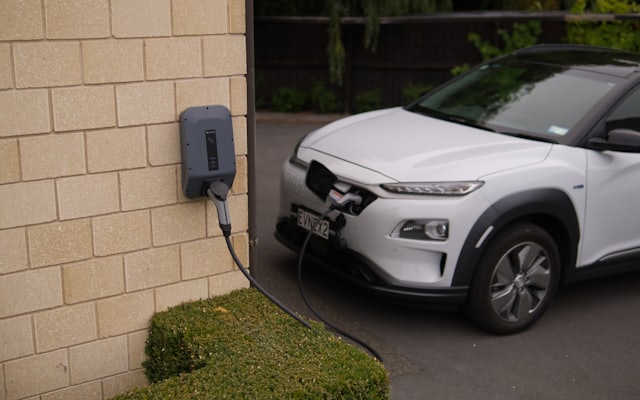
- Charge your EV overnight (every EV charger should be set to a schedule)
- Pre-cool your home before 4pm on hot days, then raise the thermostat during peak hours
Call your utility or check their website to see if TOU rates are available.
2. Install a Smart (Programmable) Thermostat
Heating and cooling account for 43% of the average electricity bill. A smart thermostat (Nest, Ecobee, or similar, $130–$250) can reduce this by 10–15% by learning your schedule and avoiding wasted heating/cooling of an empty home.
Savings: $150–$250/year. Payback: Under 2 years.
3. Seal Air Leaks and Improve Insulation
Air leaks around doors, windows, and outlets waste an average of 20% of your heating and cooling energy. Weatherstripping kits cost $10–$30 and take an hour to install. Adding attic insulation (the biggest heat loss area) can save 10–15% on heating bills.
Combined savings: $150–$400/year depending on climate and home size.
4. Switch to LED Lighting Throughout
LED bulbs use 75% less energy than incandescent and last 15–25 times longer. A full home LED conversion (30–40 bulbs) costs $50–$100 and saves $100–$150/year — paying off in under a year. This is the easiest quick win available.
5. Unplug "Vampire" Devices
Electronics that stay plugged in use "standby power" even when off. TVs, game consoles, cable boxes, and phone chargers collectively draw 5–10% of your home's electricity for doing nothing. Plug entertainment systems into smart power strips ($20–$30) that cut power when not in use.
Savings: $50–$100/year with minimal effort.
6. Replace Your Water Heater
Water heating accounts for about 18% of home energy use. If your water heater is more than 10 years old, replacing it with a heat pump water heater (HPWH) uses 60–70% less electricity. Federal rebates of up to $1,750 may be available through the Inflation Reduction Act provisions.
Savings: $300–$500/year over a standard electric water heater.
7. Optimize Your Air Conditioner
AC is typically the #1 electricity user in warm climates. Three low-cost improvements save significantly:
- Change air filters monthly during high-use season (dirty filters make the unit work 15% harder)
- Set temperature 2°F higher — each degree saves 3–5% on cooling
- Use ceiling fans to feel cooler without lowering the thermostat
If your AC is over 15 years old, a new high-efficiency unit (SEER 18+) can cut cooling costs by 30–40%.
8. Run Full Loads Only
Dishwashers, washing machines, and dryers use nearly the same energy regardless of how full they are. Running full loads instead of half loads can reduce energy use by 30–40% per laundry cycle. Also use cold water for washing — it performs just as well for most laundry and eliminates the water heating cost entirely.
9. Add Window Treatments
Thermal curtains or cellular shades ($50–$200 per window) reduce heat transfer significantly. Closing them during the hottest part of the day in summer reduces AC load by 7–15%. In winter, opening south-facing curtains during daylight allows free solar heating.
10. Consider a Whole-Home Energy Audit
Many utilities offer free or subsidized home energy audits where a professional identifies your biggest energy losses with thermal imaging and blower door tests. Average cost savings from audit recommendations: 15–25% of your total bill. Some utilities will even cover the cost of improvements they recommend.
11. Install Solar Panels
The most impactful long-term solution. A properly sized solar system eliminates 80–100% of your electricity bill. At 2026 prices ($2.85/W average), a typical system costs $19,950 and pays back in 7–10 years — then produces free electricity for 20+ more years.
12. Check Utility Bill Credits and Assistance Programs
Many US households qualify for utility bill assistance programs they never claimed. Programs include:
- LIHEAP: Federal Low Income Home Energy Assistance Program — can pay part of your utility bill
- Utility low-income rate programs: Many utilities offer 20–50% discounted rates for qualifying customers
- Weatherization Assistance Program: Free home energy improvements for qualifying households
- Demand response programs: Utilities pay you cash or bill credits to reduce usage during peak demand events
Your Realistic Savings Summary
| Strategy | Annual Savings | Cost | Payback |
|---|---|---|---|
| LED lighting | $100–$150 | $50–$100 | <1 year |
| TOU rate shift | $300–$660 | $0 | Immediate |
| Smart thermostat | $150–$250 | $130–$250 | 1–2 years |
| Air sealing | $150–$400 | $50–$200 | <1 year |
| Heat pump water heater | $300–$500 | $600–$1,500 | 2–4 years |
| Solar panels | $1,200–$3,000 | $15,000–$25,000 | 7–10 years |
Implementing strategies 1–5 alone (all under $100 combined) can save $600–$1,000/year for most households.